Communal Area Cleaning in Shared Buildings: Creating Safer, Healthier, and More Welcoming Spaces
Communal area cleaning is one of the most important services for shared properties, apartment blocks, office complexes, student housing, and mixed-use buildings. When hallways, lobbies, stairwells, lifts, entranceways, and other shared spaces are kept clean, the entire property feels more inviting, safer, and more comfortable to use. Professional communal area cleaning is not only about appearance; it also supports hygiene, reduces odors, helps maintain surfaces, and contributes to a better experience for residents, visitors, and staff alike.
In busy buildings, communal spaces see constant foot traffic. Dirt, dust, spills, litter, fingerprints, and bacteria can build up quickly. That is why communal area cleaning needs a structured approach that covers regular upkeep, deep cleaning tasks, and attention to detail. Whether the property is residential or commercial, effective communal area cleaning can make a noticeable difference in the overall environment and even the long-term condition of the building.
Property managers, landlords, housing associations, facility teams, and building owners often look for reliable ways to keep shared spaces tidy without disrupting everyday use. A consistent cleaning schedule, trained cleaners, and the right equipment are essential. If you want a property that looks cared for and feels pleasant to move through, communal area cleaning should be a priority from the start.
Why Communal Area Cleaning Matters
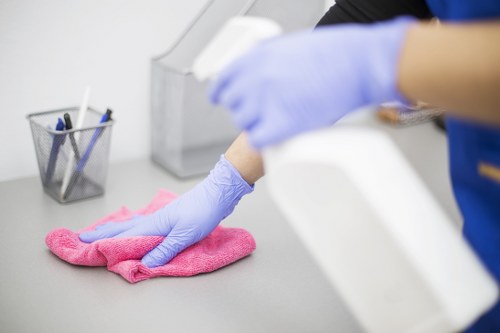
Shared spaces are the first areas people notice when they enter a building. A spotless lobby, polished floor, and dust-free handrails instantly create a strong impression. On the other hand, dirty or neglected communal areas can make the entire property seem poorly managed. This is why communal area cleaning plays a major role in property presentation and maintenance.
Clean communal spaces also help reduce the spread of germs. In environments where many people use the same doors, buttons, railings, and surfaces, regular cleaning and sanitizing are essential. Routine communal area cleaning helps protect residents, employees, guests, and visitors by lowering exposure to dirt and contamination.
There is also a practical benefit. When floors, carpets, and fixtures are cleaned regularly, they tend to last longer. Dust and grime can wear down finishes over time, while moisture and spills can damage surfaces if left untreated. A planned approach to communal area cleaning can therefore support both hygiene and long-term cost savings.
Key Areas Covered in Communal Area Cleaning

Every shared building has different cleaning needs, but certain areas are almost always included in a proper communal area cleaning plan. These spaces usually experience the heaviest use and require regular attention to stay clean and safe.
- Entrance halls and foyers: high-traffic areas that collect dirt and fingerprints quickly.
- Stairwells: often overlooked, but essential for safety and presentation.
- Lift interiors and buttons: frequent touchpoints that need disinfection.
- Corridors and hallways: shared pathways that can gather dust and litter.
- Mail areas and notice boards: prone to cobwebs, smudges, and paper clutter.
- Shared reception spaces: need regular dusting, vacuuming, and polishing.
- Bin stores and waste areas: require careful cleaning to control odors and pests.
- Door handles, rails, and switches: important contact points for hygiene.
A professional communal area cleaning service usually includes a tailored checklist to make sure no important area is missed. Depending on the building, this may also involve windows, skirting boards, vents, ceilings, and external pathways.
Benefits of Professional Communal Area Cleaning
Many people assume communal spaces only need occasional sweeping or a quick wipe-down. In reality, professional communal area cleaning offers a much wider range of benefits that affect residents, users, and property managers every day.
One major benefit is improved safety. Wet floors, debris on staircases, and cluttered corridors can all create hazards. Regular communal area cleaning helps reduce slips, trips, and falls, which is especially important in buildings used by children, older adults, or large numbers of visitors.
Another benefit is better indoor air quality. Dust, pollen, pet hair, and other airborne particles often settle in shared spaces. Vacuuming, dusting, and surface cleaning help remove these pollutants, making the environment feel fresher and more comfortable.
Other advantages include:
- Improved first impressions for visitors and tenants
- Reduced buildup of grime and bacteria
- Longer life for floors, carpets, and fixtures
- Fewer complaints from residents or occupants
- Better control of odors in shared waste areas
- More professional appearance for the property overall
When communal area cleaning is handled consistently, the building feels more organized and cared for. That creates a positive atmosphere that benefits everyone who uses the space.
What a Communal Area Cleaning Schedule Should Include
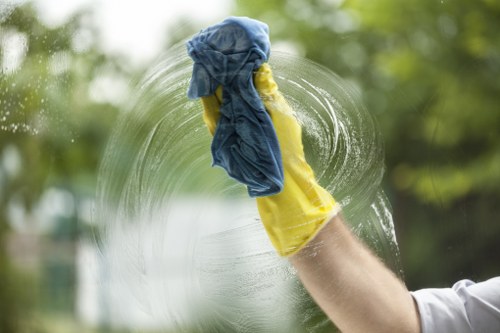
An effective communal area cleaning plan needs structure. A schedule ensures that daily, weekly, and periodic tasks are completed in the right order and at the right frequency. This prevents buildup and helps keep the building looking its best all the time.
Daily tasks in communal area cleaning often focus on the most-used and most-visible areas. These may include sweeping entrance floors, emptying bins, wiping surfaces, sanitizing handles, and removing litter from hallways. Daily attention is especially important in busy apartment blocks and office buildings.
Weekly tasks may involve deeper cleaning such as vacuuming carpets, mopping hard floors, polishing glass, cleaning skirting boards, and wiping down internal windows. A weekly routine supports the daily work and keeps more detailed areas from being neglected.
Monthly or periodic tasks can include:
- Deep cleaning stairwells and landings
- Machine scrubbing floors
- Cleaning vents, light fittings, and ceiling corners
- Sanitizing bin stores and shared waste rooms
- Cleaning internal glass panels and doors
- Removing cobwebs from high corners and hard-to-reach areas
A reliable schedule makes communal area cleaning more efficient and consistent. It also gives building managers a clear way to monitor standards and address issues quickly.
Common Challenges in Communal Area Cleaning
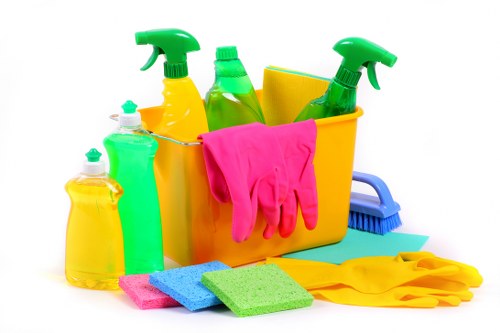
Shared spaces can be difficult to maintain because so many people use them in different ways. One challenge is constant foot traffic. Dirt can be tracked in throughout the day, especially in wet or muddy weather. This means communal area cleaning must be frequent enough to keep pace with use.
Another challenge is mixed use. In some buildings, communal areas are used by residents, office staff, delivery teams, cleaners, contractors, and guests. Different activity levels create different cleaning requirements. A lobby may need polishing, while a stairwell may need routine dust removal and bin checks.
Odor control can also be a challenge, especially near waste rooms, shared kitchens, or smoking zones. In these situations, communal area cleaning needs to include deodorizing, waste management, and proper ventilation support where possible.
Other frequent issues include:
- Spills left unattended on floors
- Fingerprints on glass and metal surfaces
- Dust accumulation in corners and along edges
- Litter in corners, under stairs, or near entrances
- Marks on painted walls and doors
- Bird droppings or outdoor debris near access points
These challenges show why communal area cleaning should never be treated as a once-in-a-while task. It requires attention, consistency, and the right cleaning methods for each space.
Best Practices for Effective Communal Area Cleaning
To get the best results, communal area cleaning should follow a few practical best practices. The first is consistency. A building may look clean after one good service, but without regular upkeep, dirt returns quickly. Keeping to a routine helps maintain standards over time.
Another best practice is using the correct cleaning products and equipment. Hard floors, carpets, glass, stainless steel, and painted walls all need different approaches. Using the wrong product can leave marks, damage finishes, or reduce cleanliness. Skilled cleaners understand how to match the method to the surface.
Attention to detail is equally important. The difference between average and excellent communal area cleaning is often found in the small things: clean corners, dust-free ledges, polished door handles, and tidy bin areas. These details create a polished, professional look that people notice immediately.
Practical tips for better results:
- Use a cleaning checklist for each communal zone
- Focus on high-touch points every day
- Keep waste areas separate from presentation spaces
- Schedule deep cleaning during low-traffic periods
- Inspect the area regularly for missed spots or recurring problems
- Adapt the service as the building’s usage changes
When these best practices are followed, communal area cleaning becomes a reliable part of property management rather than a reactive response to visible dirt.
Communal Area Cleaning for Residential Buildings
In apartment blocks, shared houses, and housing developments, communal area cleaning has a direct impact on resident satisfaction. People expect the place they live to feel clean, safe, and well maintained. If hallways smell stale, stairwells are dusty, or the entrance is covered in footprints, residents may feel neglected even if their own homes are spotless.
Residential communal area cleaning often includes entrances, stairs, corridors, lifts, mail areas, and bin stores. In larger developments, it may also cover communal lounges, laundry rooms, shared gardens, and external walkways. The aim is to keep every shared area usable and pleasant throughout the week.
Regular residential cleaning services also help reduce friction between residents and property managers. When standards are clearly maintained, there are fewer complaints about odors, litter, or dirty surfaces. This creates a more harmonious living environment and a stronger sense of pride in the property.
Communal Area Cleaning for Commercial Properties
Commercial buildings require a different level of presentation. Office foyers, waiting areas, corridors, and shared washrooms must look polished and professional. In these settings, communal area cleaning directly influences brand image and staff morale. A clean workspace often feels more organized and productive.
For commercial properties, the cleaning schedule may need to be more flexible. Early mornings, late evenings, or weekend visits are often preferred so that cleaning does not interfere with business operations. High-touch surfaces such as lift controls, reception desks, and door handles usually need frequent sanitizing.
Well-managed communal area cleaning in commercial settings can support client confidence too. Visitors are more likely to trust a company that maintains its premises carefully. That makes cleanliness part of the overall business experience, not just a background task.
Commercial spaces often benefit from:
- Reception cleaning and polishing
- Daily touchpoint sanitization
- Restroom replenishment and hygiene checks
- Carpet and floor maintenance
- Waste removal and recycling support
- Glass and mirror cleaning for a professional finish
The Role of Deep Cleaning in Communal Areas
While routine cleaning keeps a building presentable, deep cleaning tackles the hidden buildup that ordinary maintenance can miss. In communal area cleaning, deep cleaning is essential for removing stubborn dirt, restoring tired surfaces, and improving hygiene in harder-to-reach areas.
Deep cleaning may be needed seasonally, after refurbishment, or during periods of heavy use. It often includes detailed attention to floors, edges, vents, wall marks, fittings, and neglected corners. In some buildings, deep cleaning also helps prepare communal spaces for inspections, property handovers, or new residents.
Why deep cleaning matters: it refreshes the environment, supports long-term cleanliness, and helps keep everyday cleaning tasks manageable. Without periodic deep cleaning, a building can slowly lose its shine even if it is serviced regularly.
How to Choose the Right Communal Area Cleaning Service
Selecting the right provider is important because not all cleaning services are the same. The best communal area cleaning service will understand the building’s layout, traffic levels, and specific requirements. They should be able to offer flexible scheduling, trained staff, and a clear checklist of tasks.
When evaluating options, look for experience with similar properties. A company that regularly handles apartment blocks may understand different challenges than one focused only on offices. The right provider should also use suitable equipment and safe cleaning products while maintaining professional standards throughout the service.
Questions to consider include:
- Do they offer tailored communal area cleaning plans?
- Can they handle both routine and deep cleaning?
- Do they provide consistent attendance and reliable scheduling?
- Are they familiar with high-traffic shared buildings?
- Can the service be adjusted for peak usage times or special events?
Choosing the right team can make communal area cleaning smoother, more efficient, and more cost-effective over time. It also reduces the risk of missed tasks and inconsistent standards.
Maintaining Standards Over Time
Good communal area cleaning is not a one-time achievement. It is an ongoing process that depends on communication, monitoring, and regular review. Building managers should assess whether the current service is meeting expectations and whether any areas require extra attention.
Feedback from residents, staff, or occupants can be valuable when used constructively. If one hallway always gets dirty faster than others, or a bin area develops odors, the cleaning plan may need to be adjusted. Small changes can lead to much better results.
Long-term success often depends on a partnership between the cleaning team and the property manager. When both sides understand the priorities of the building, communal area cleaning can remain effective even as occupancy levels and seasonal conditions change.
Why Clean Shared Spaces Improve Everyday Life
It is easy to overlook the impact of communal spaces because people pass through them quickly. Yet these areas shape daily experiences in subtle but meaningful ways. A clean corridor feels calmer. A fresh-smelling lobby feels more welcoming. A tidy stairwell feels safer. These moments add up and influence how people feel about the place they use every day.
That is why communal area cleaning is more than maintenance. It supports comfort, health, pride, and professionalism. Whether the setting is residential, commercial, or mixed use, well-cleaned communal areas improve the whole environment and make shared living and working spaces easier to enjoy.
If your property needs better presentation, stronger hygiene, and more reliable upkeep, now is the time to act. Book your service now and make communal area cleaning a consistent part of your building care plan. Contact us today to improve your shared spaces and keep them looking their best.
Final thought
Communal area cleaning is one of the simplest ways to protect property value, support wellbeing, and create a better everyday experience for everyone who enters the building. With the right schedule, methods, and attention to detail, shared spaces can stay clean, welcoming, and functional all year round.