Regular Cleaning in Modern Spaces: Why It Matters, How It Works, and What to Expect
Regular cleaning is one of the most practical habits for keeping homes, offices, and shared spaces healthy, attractive, and functional. Whether you manage a busy household, a commercial workspace, or a rental property, regular cleaning supports hygiene, preserves surfaces, and creates a more comfortable environment for everyone. It is not just about making a place look tidy; it is about maintaining standards that protect health, improve productivity, and reduce long-term maintenance costs.
Many people think cleaning only matters when dust becomes visible or when a space feels cluttered. In reality, routine cleaning prevents buildup before it becomes a problem. It reduces allergens, helps control odors, minimizes wear and tear, and makes deep cleaning much easier when it is needed. For property owners and facility managers, regular cleaning can also protect the value of the space and support a more professional appearance.
In this article, we will explore the real benefits of regular cleaning, the best methods for different environments, and how to build a cleaning schedule that actually works. You will also see why consistent cleaning routines matter for health, safety, and long-term upkeep, along with practical tips you can apply right away.
What Regular Cleaning Really Means
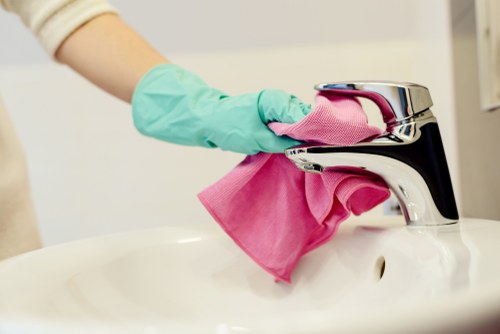
Regular cleaning refers to the consistent, scheduled upkeep of a space to remove dirt, dust, germs, and clutter before they accumulate. Unlike occasional cleaning, which may happen only when something looks messy, regular cleaning follows a pattern. It can be daily, weekly, or monthly depending on the type of space and how often it is used.
In a home, regular cleaning may include vacuuming floors, wiping counters, sanitizing high-touch areas, and removing trash. In a workplace, it may also involve disinfecting desks, cleaning restrooms, maintaining entryways, and keeping common areas orderly. The goal is to support a safe and pleasant environment through steady maintenance rather than reactive cleanup.
This approach is especially important because dirt and bacteria do not wait. They build up quietly on surfaces, in corners, and inside fabrics. With consistent cleaning, you can stay ahead of messes and keep a space looking polished with less effort over time.
Why Regular Cleaning Matters for Every Space
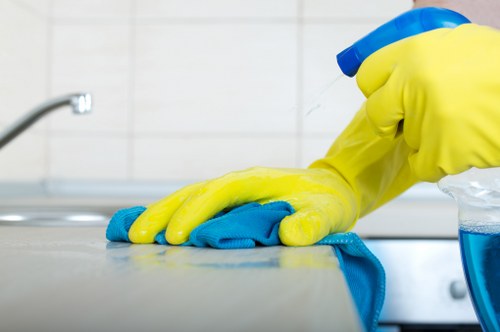
There are many reasons why regular cleaning should be part of everyday life. One of the biggest is health. Dust, mold spores, pet dander, and bacteria can collect quickly in areas that are not cleaned often. When that happens, people may experience allergies, respiratory irritation, or a generally less comfortable atmosphere.
Routine cleaning also improves the appearance of a space. A neat environment sends a positive message to guests, employees, clients, or tenants. It shows that the area is cared for and that attention to detail matters. In commercial spaces, that impression can influence trust and professionalism.
There is also a financial benefit. Regular cleaning can extend the life of carpets, furniture, appliances, flooring, and fixtures. Dirt and grime can damage surfaces over time, meaning repairs or replacements may be needed sooner. By keeping up with regular cleaning, you help protect your investment.
Health Benefits of Regular Cleaning
Health is one of the strongest reasons to maintain a consistent cleaning routine. When surfaces are cleaned often, germs have fewer opportunities to spread. This matters in kitchens, bathrooms, shared offices, waiting rooms, and any other area where people touch surfaces frequently.
Regular cleaning can help reduce:
- Dust and airborne particles
- Allergens such as pollen and pet dander
- Bacteria on high-touch surfaces
- Mold growth in damp areas
- Unpleasant odors caused by waste or spills
For families with children, elderly relatives, or people with allergies, regular cleaning becomes even more important. Clean surfaces and dust-free environments can make a noticeable difference in daily comfort. In workplaces, cleaner surroundings may also contribute to fewer sick days and a more pleasant atmosphere overall.
High-Touch Areas That Need Attention
Some areas should always be prioritized during regular cleaning because they are touched so often. These include door handles, light switches, desks, keyboards, remote controls, sink faucets, and appliance handles. Paying attention to these surfaces helps reduce the spread of germs and keeps the environment healthier.
Regular Cleaning and Better Organization
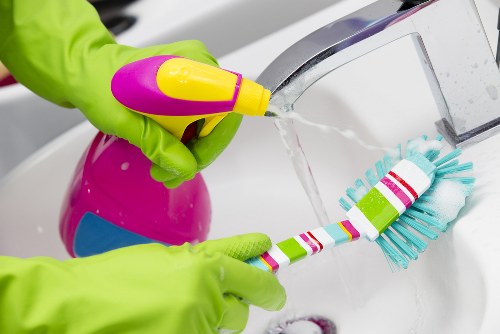
Clean spaces are usually more organized spaces. When you clean regularly, you naturally notice items that are out of place, areas that need repairs, and supplies that are running low. That makes it easier to stay on top of clutter and maintain order.
This is one reason why regular cleaning is closely linked to productivity. A clear environment helps people focus, move around more easily, and find what they need without wasting time. In homes, it reduces stress and creates a calmer atmosphere. In offices, it supports workflow and can even improve morale.
Organization also makes cleaning easier. When surfaces are clear and items have designated places, the cleaning process becomes faster and more effective. A few minutes of tidying each day can prevent a large mess from forming later.
Simple Organization Habits That Support Cleaning
- Use labeled storage bins and baskets
- Keep everyday items in assigned locations
- Reduce unnecessary clutter on counters and desks
- Sort mail, papers, and documents regularly
- Return items to their place after use
How Regular Cleaning Supports Long-Term Maintenance
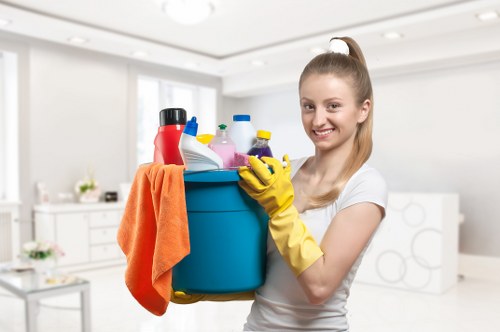
One of the most overlooked advantages of regular cleaning is its role in maintenance. Dirt, grease, and moisture can slowly damage surfaces if left untreated. Floors may dull, grout can stain, upholstery may wear out faster, and appliances can lose efficiency. A steady cleaning schedule protects materials and helps them last longer.
This is especially important in areas exposed to heavy use. Kitchens, bathrooms, hallways, reception areas, and entryways often collect more debris than other parts of a building. Without consistent cleaning, these places can quickly show signs of wear. Over time, that can lead to costly deep restoration work.
Regular cleaning also helps identify problems early. While wiping down a surface or vacuuming a room, you may notice leaks, loose fixtures, damaged tiles, or signs of pests. Catching these issues early can prevent more serious damage later.
Examples of Maintenance Benefits
- Carpets stay fresh longer and need replacement less often.
- Hard floors retain their finish and shine.
- Appliances run more efficiently when dust and buildup are removed.
- Bathrooms stay sanitary and are less likely to develop mold.
- Walls, counters, and furniture keep a cleaner appearance for longer.
Building a Practical Regular Cleaning Schedule
A good cleaning plan does not need to be complicated. It simply needs to match the needs of the space. The best way to approach regular cleaning is by dividing tasks into daily, weekly, and monthly responsibilities. That keeps the workload manageable and ensures nothing gets overlooked.
For example, daily tasks may include wiping counters, sweeping floors, emptying trash bins, and sanitizing bathroom surfaces. Weekly tasks may include vacuuming carpets, washing floors, dusting furniture, and cleaning mirrors. Monthly tasks may involve deeper attention to baseboards, vents, light fixtures, and appliances.
A schedule also helps families, staff members, or cleaning teams stay accountable. When everyone knows what should be done and how often, regular cleaning becomes much easier to maintain. It also reduces confusion and prevents tasks from piling up.
Sample Schedule Structure
- Daily: Quick tidying, surface wiping, trash removal, and spot cleaning
- Weekly: Dusting, vacuuming, mopping, restroom sanitation, and laundry
- Monthly: Deep dust removal, appliance cleaning, vent checks, and detailed surface care
Tip: If a room is used often, it may need more frequent attention. If a space is rarely occupied, its schedule can be lighter.
Regular Cleaning in Homes
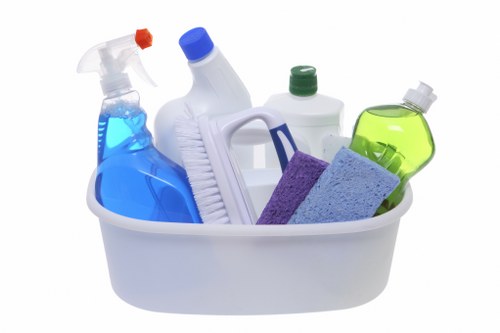
In residential settings, regular cleaning helps create a comfortable and welcoming home. Kitchens, bathrooms, bedrooms, and living areas all benefit from consistent care. Even small routines, such as wiping sinks after use or putting items away each evening, can have a big impact.
Homes with children or pets often need more frequent cleaning. Toys, pet hair, crumbs, spills, and footprints can accumulate quickly. Regular cleaning keeps these issues under control and makes the home feel more manageable. It also helps reduce odors and improves overall freshness.
Another advantage is peace of mind. A clean home is easier to relax in. It reduces visual clutter, supports better habits, and makes guests feel welcome. Many people find that once regular cleaning becomes part of the routine, household stress decreases noticeably.
Areas to Prioritize at Home
- Kitchen counters, sinks, and appliances
- Bathroom fixtures, toilets, and mirrors
- Living room surfaces and flooring
- Bedroom dusting, bedding, and closets
- Entryways and shoe storage areas
Regular Cleaning in Offices and Commercial Properties
Commercial spaces rely heavily on presentation and hygiene. Regular cleaning in offices, retail stores, clinics, and shared buildings helps maintain a professional standard. Clients, visitors, and employees all notice whether a place is clean, organized, and cared for.
In offices, regular cleaning contributes to better air quality, cleaner workstations, and fewer distractions. In customer-facing spaces, it supports brand image and trust. In healthcare or food-related settings, routine cleaning is even more critical because sanitation directly affects safety.
Commercial cleaning often involves schedules that work around business hours to avoid disruption. This can include evening cleanups, early morning maintenance, or midday touch-up services depending on the type of property. The best cleaning plans are tailored to traffic levels and operational needs.
Commercial Areas That Benefit Most
- Reception and waiting areas
- Conference rooms and shared desks
- Restrooms and break rooms
- Entry mats and floor coverings
- Glass doors, windows, and other visible surfaces
When businesses prioritize regular cleaning, they create environments where employees can work more comfortably and customers can feel more confident.
Tools and Supplies That Make Regular Cleaning Easier
The right tools can make a huge difference in how effective and efficient regular cleaning becomes. You do not need a huge collection of supplies, but you do need dependable basics that work for your space. Quality tools save time, improve results, and reduce frustration.
Common cleaning supplies include microfiber cloths, multipurpose cleaners, disinfectants, a vacuum, a mop, brushes, sponges, and trash bags. Depending on the environment, you may also need glass cleaner, floor polish, degreasers, or specialty products for wood, tile, or stainless steel.
It is also smart to keep supplies organized and easy to access. When cleaning products are stored neatly, the task feels less overwhelming and more routine. That convenience can make a major difference in whether a schedule is followed consistently.
Helpful Cleaning Essentials
- Microfiber cloths for dusting and wiping
- Vacuum cleaner for carpets and rugs
- Mop and bucket for hard floors
- Disinfecting wipes for high-touch areas
- Trash bins and liners for fast waste removal
- Gloves for protection when needed
Common Mistakes to Avoid With Regular Cleaning
Even with good intentions, some cleaning habits can make the process less effective. One common mistake is waiting too long between cleanings. The longer dirt sits, the harder it is to remove. Another issue is using the wrong products on certain materials, which can cause damage or leave residue behind.
Some people also focus only on what is visible. While surfaces that look clean may seem fine, hidden areas like under furniture, behind appliances, or around vents can still collect dust and grime. Thorough regular cleaning means paying attention to both obvious and overlooked spots.
Another mistake is skipping a schedule altogether. Without a routine, cleaning becomes reactive, and messes start to feel bigger than they really are. Consistency is what keeps the workload reasonable.
Errors to Watch Out For
- Using too much product and leaving sticky residue
- Ignoring high-touch surfaces
- Forgetting hidden corners and edges
- Letting trash or spills sit too long
- Cleaning without a plan or checklist
Why Professional Support Can Be Worth It
While many cleaning tasks can be handled independently, there are times when professional support makes sense. Busy households, large offices, and specialized environments may benefit from trained cleaners who know how to handle specific surfaces, schedules, and sanitation needs. Professional teams can often handle tasks more efficiently and with better consistency.
Regular cleaning services are especially useful when the space requires more attention than an average schedule can provide. This can include deep kitchen degreasing, restroom sanitation, floor care, post-event cleanup, or maintenance for high-traffic areas. Professionals can also help set up a routine that fits the property’s needs.
For property managers and business owners, hiring support can save time and reduce stress. It allows staff to focus on their core work while the environment stays clean and presentable. If your cleaning demands are growing, book your service now and keep your space consistently maintained.
How Regular Cleaning Improves Daily Life
The benefits of regular cleaning go beyond appearance. Clean spaces support a calmer mindset, smoother routines, and better use of time. When surfaces are clear and dirt is under control, daily life feels less chaotic. You spend less time searching, less time scrubbing, and less time dealing with avoidable problems.
In many cases, regular cleaning also encourages healthier habits. People are more likely to put items back where they belong, clean up after themselves, and respect shared spaces when the environment is already orderly. That creates a positive cycle of maintenance and responsibility.
For families, teams, and property owners alike, the message is simple: regular cleaning is an investment in comfort, safety, and long-term ease. It is one of the most effective ways to keep a space looking good and functioning well.
Everyday Benefits You Can Feel
- Less clutter and visual stress
- Better hygiene and fresher air
- Improved productivity and focus
- Fewer maintenance issues over time
- A more welcoming environment for everyone
Whether you are maintaining a home or managing a workplace, the value of regular cleaning becomes clear very quickly. The key is consistency, attention to detail, and a realistic plan that fits your needs.
Final Thoughts on Regular Cleaning
Regular cleaning is not just a chore; it is a smart, practical habit that protects health, improves appearance, and supports long-term maintenance. From homes to offices, consistent care creates spaces that are safer, more comfortable, and easier to manage. It also saves time and money by reducing the need for major cleanup later.
If you want a space that feels fresh, organized, and well cared for, do not wait until the mess becomes overwhelming. Build a cleaning routine, prioritize the highest-use areas, and keep supplies ready so the process stays simple. When needed, seek professional support to maintain the level of cleanliness your space deserves.
Take the next step today: Contact us today to keep your environment clean, healthy, and consistently maintained. Book your service now and experience the difference regular cleaning can make.