Oven Cleaning in the Modern Home: Fresh Results, Better Cooking, and a Healthier Kitchen
Why Oven Cleaning Matters More Than You Think
Oven cleaning is one of those household tasks that often gets pushed aside until smoke appears, odors linger, or baked-on residue becomes impossible to ignore. Yet regular oven cleaning does far more than improve appearance. It helps your oven heat more evenly, reduces unwanted smells, supports better-tasting food, and can even extend the life of the appliance.
When grease, carbonized spills, and food splatter build up inside the oven, they can create hot spots and interfere with performance. That means your casseroles, roasts, pastries, and pizzas may not cook the way they should. A clean oven is also easier to use confidently because you don’t have to worry about old residue smoking every time you preheat it.
Oven cleaning also plays a role in kitchen hygiene. Built-up grime can attract bacteria, create stubborn odors, and make the whole cooking area feel less fresh. For families, frequent home cooks, and anyone who enjoys entertaining, keeping the oven clean is part of maintaining a pleasant and functional kitchen.
Signs Your Oven Needs Attention
Many people wait until the oven looks visibly dirty, but there are earlier warning signs that tell you it is time for a proper clean. Recognizing these signs early can make the job easier and help prevent larger issues later on.
Common signs include:
- Smoke appearing when the oven is turned on
- Burning or stale odors during preheating
- Visible grease splashes on the walls or door
- Dark, baked-on spots on the oven floor
- Uneven cooking or inconsistent browning
- Sticky residue around knobs, handles, or seals
If you notice several of these symptoms, oven cleaning should move to the top of your home maintenance list. Waiting too long can make grease harder to remove and may require more effort or even professional help.
How buildup affects performance
Heavy residue can trap heat and cause unpleasant smoke while also making the oven work harder. In some cases, large deposits of carbonized food can flake off into dishes or create a lingering smell that transfers to baked goods. A consistent oven cleaning routine helps prevent these problems before they start.
Safe and Effective Oven Cleaning Methods
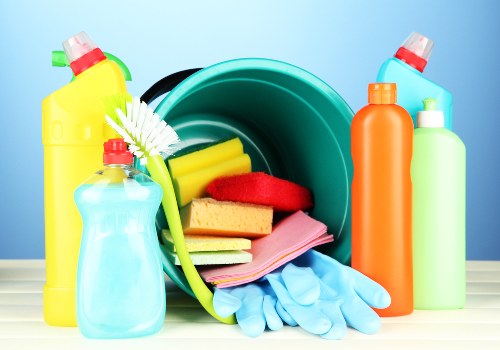
There are several ways to approach oven cleaning, and the right method depends on the level of buildup, the oven type, and your preference for natural or commercial products. The key is to use a method that is effective without damaging the appliance.
1. Manual oven cleaning
Manual cleaning is ideal for moderate dirt and for households that want full control over the process. It usually involves removing racks, loosening residue with a suitable cleaner, and wiping away grime with a soft cloth or sponge. This method is especially useful for detailed cleaning around hinges, corners, seals, and glass doors.
2. Self-cleaning function
Some ovens include a self-cleaning mode that uses very high temperatures to burn away residue. While this can reduce the amount of scrubbing, it is important to follow the manufacturer’s instructions exactly. Self-cleaning modes may produce strong odors and can place stress on older appliances if used too often.
3. Steam-based cleaning
Steam can soften grease and loosen grime, making it easier to wipe away. Many modern ovens offer a steam-cleaning option, or you can use a heat-safe bowl of water to create steam manually. This is often a gentler method for light maintenance.
4. Professional oven cleaning
For heavily soiled ovens or for people who want a hassle-free option, professional oven cleaning services can deliver deep results. Professionals use specialized tools and products to tackle stubborn buildup, restore shine, and clean areas that are easy to miss during routine maintenance.
Step-by-Step Oven Cleaning Routine for Better Results
A structured cleaning routine makes the job simpler and more efficient. Whether you clean weekly, monthly, or seasonally, following a clear order helps you get thorough results.
- Turn off and cool the oven completely. Safety should always come first before any oven cleaning work begins.
- Remove racks and trays. These can usually be cleaned separately in warm, soapy water or with a dedicated degreaser.
- Clear loose debris. Use a dry cloth or soft brush to remove crumbs and loose bits from the oven floor.
- Apply your chosen cleaner. Use a product or method suitable for your oven’s surface and condition.
- Allow time for the cleaner to work. Letting the solution sit helps break down grease and stuck-on food.
- Wipe and rinse thoroughly. Remove all residue so no cleaner remains on surfaces that may later heat up.
- Dry the interior and replace the racks. Make sure everything is completely dry before using the oven again.
This process makes oven cleaning manageable and can be repeated regularly to prevent heavy buildup from returning.
Extra tip for stubborn spots
For really tough marks, use a plastic scraper or non-abrasive pad carefully. Avoid anything too sharp, as metal tools can scratch the interior finish or damage the oven door.
Natural Oven Cleaning Options

Many homeowners prefer natural cleaning methods because they are simple, affordable, and less harsh than some chemical cleaners. Natural solutions can be a smart choice for regular oven cleaning, especially when the oven is only lightly to moderately dirty.
Baking soda and water paste
A paste made from baking soda and water is a classic choice for loosening grease. Spread it over dirty surfaces, let it sit for several hours or overnight, then wipe it away with a damp cloth. This method is popular because it reduces odor while helping lift grime.
Vinegar spray
White vinegar can help dissolve residue and remove traces of baking soda after treatment. When sprayed lightly onto surfaces, it creates a fizzing reaction that can help loosen dirt. It also works well as a finishing rinse for a fresher result.
Lemon and steam
Lemon adds a pleasant scent while supporting grease removal. You can place a heat-safe container with water and lemon slices in the oven, warm it gently, and let the steam help soften buildup. This method is especially helpful for light maintenance and odor control.
Natural methods work best when used regularly. If buildup is already severe, they may need to be paired with more targeted cleaning or a professional treatment.
Important note on safety
Even when using natural ingredients, always ensure proper ventilation and avoid mixing cleaning products unless you know they are compatible. Good ventilation is important during every stage of oven cleaning.
Commercial Cleaners and When to Use Them
Commercial oven cleaners are designed to break down baked-on grease quickly and can be useful when the oven has not been cleaned for a long time. These products are often strong, so they should be used carefully and only according to the label instructions.
When commercial cleaners may help:
- Heavy grease buildup that natural methods cannot remove
- Charred food spills on oven floors or racks
- Persistent smoke caused by old residue
- Stubborn stains around the oven door glass
- Times when a fast turnaround is needed before cooking or hosting
Because stronger cleaners can produce fumes, it is wise to open windows, wear gloves, and keep children and pets away from the area. With careful use, these products can make oven cleaning much faster and more effective.
Still, not every oven surface is suited to every formula. Self-cleaning ovens, enamel finishes, stainless steel interiors, and glass doors may all have different care instructions. Reading the manufacturer’s recommendations is always the safest approach.
How Often Should You Clean Your Oven?

How often you need oven cleaning depends on how frequently you cook and what kinds of food you prepare. Someone who roasts meats, bakes cheesy casseroles, and cooks at high temperatures several times a week will usually need cleaning more often than someone who uses the oven occasionally.
General frequency recommendations
- Light use: every 2 to 3 months
- Moderate use: once a month or every 6 to 8 weeks
- Heavy use: every 2 to 4 weeks, with spot cleaning in between
In between deep cleans, it helps to wipe up spills as soon as the oven cools. Quick action prevents sugary sauces, cheese, and grease from hardening into a larger mess later. Small habits make oven cleaning far easier in the long run.
People who bake often may also want to clean oven racks and the door glass more frequently than the main cavity. A fresh-looking oven not only performs better but also creates a more inviting kitchen environment.
Seasonal deep cleaning
Some households prefer a seasonal approach, pairing oven cleaning with other kitchen tasks like refrigerator cleaning, cabinet wiping, or vent hood maintenance. This can be a practical way to stay on top of household upkeep without feeling overwhelmed.
Oven Door, Racks, and Knobs: Don’t Skip the Details
While the inside cavity gets most of the attention, the best results come from cleaning all the parts that people touch and see every day. Detailed oven cleaning includes the door, racks, knobs, seals, and control areas.
Oven door glass
The door glass often collects grease splatter and baked-on spots that can make the whole oven look dirty, even after the interior has been wiped down. Use a non-scratch cloth and a suitable cleaner to restore clarity without damaging the surface.
Racks and trays
Racks can often be soaked in warm water with dish soap before scrubbing. For heavily stained racks, a degreasing solution or soak may be needed. Dry them fully before placing them back in the oven to prevent rust or water marks.
Knobs and control panels
These areas should be cleaned gently with a lightly damp cloth to avoid pushing moisture into electrical components. Taking care around controls keeps the oven functional and looking polished.
Cleaning the door seal
The seal or gasket is easy to overlook, yet it is crucial for heat retention. Wipe it gently without pulling or scrubbing too hard. Damaged seals can affect cooking performance and energy efficiency.
Common Oven Cleaning Mistakes to Avoid
Even a simple cleaning task can go wrong if you rush or use the wrong tools. Avoiding common mistakes will help preserve the oven’s finish and make each cleaning session more successful.
Mistakes to avoid include:
- Using abrasive pads or steel wool on delicate surfaces
- Spraying cleaner onto heating elements
- Mixing chemicals without checking compatibility
- Forgetting to rinse away all residue
- Using the oven before it is completely dry
- Ignoring the manufacturer’s care instructions
Another common mistake is cleaning only the visible spots and skipping hidden corners. A thorough oven cleaning routine should reach beneath racks, along edges, and around the oven door frame where grime often hides.
It is also worth remembering that frequent light cleaning is usually easier than one intense scrub after months of buildup. Consistency saves time, protects surfaces, and keeps the appliance ready to use whenever needed.
Professional Oven Cleaning vs DIY Cleaning
Both professional and DIY methods have advantages, and the right choice depends on your time, budget, and the oven’s condition. For many households, a mix of both works best: regular at-home maintenance with occasional deep professional service.
DIY advantages
- Cost-effective for routine maintenance
- Flexible timing
- Great for light spills and regular upkeep
- Allows use of preferred natural or mild products
Professional advantages
- Ideal for severe buildup
- Saves time and effort
- Helps restore a neglected oven
- Can improve results in hard-to-reach areas
If your oven has not been cleaned in a long time, smells strongly of smoke, or has layers of burnt residue, professional oven cleaning may be the most practical option. It can give the appliance a fresh start and reduce the risk of damaging surfaces during a DIY attempt.
Book your service now if you want a cleaner oven without the hassle of heavy scrubbing.
Benefits of Keeping Your Oven Clean Long Term
Regular oven cleaning delivers benefits that go beyond aesthetics. A well-maintained oven supports smoother cooking, better hygiene, and a more enjoyable kitchen experience overall.
Long-term benefits include:
- More even heating and better cooking results
- Less smoke and fewer unpleasant odors
- Lower risk of stubborn buildup and permanent staining
- Easier weekly and monthly maintenance
- A more attractive and sanitary kitchen
- Potentially longer appliance lifespan
When cleaning becomes part of your regular routine, the oven is easier to manage and less likely to require intensive restoration. This also helps preserve the value of the appliance over time.
In busy households, oven cleaning is not just about looking neat. It is about creating a cooking space that works efficiently and feels welcoming every day.
Final thoughts on care
Whether you rely on baking soda, a commercial product, steam, or professional assistance, the goal is the same: a cleaner oven that performs well and supports better cooking. Make oven cleaning part of your household routine, and the difference will show in both the oven’s appearance and your everyday meals.
Contact us today to take the next step toward a cleaner, fresher kitchen environment.