Deep Cleaning in Homes and Workspaces: What It Means, Why It Matters, and How to Do It Right
Understanding Deep Cleaning in Everyday Environments
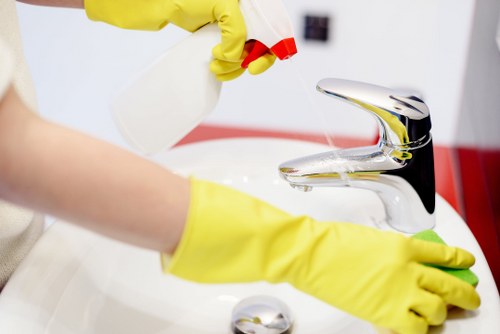
Deep cleaning in any space goes far beyond routine tidying. It focuses on the hidden dirt, built-up grime, and overlooked areas that standard cleaning often misses. While regular cleaning keeps a place looking presentable, deep cleaning targets the layers of dust, grease, bacteria, and clutter that accumulate over time.
For homeowners, tenants, landlords, and business owners alike, the value of deep cleaning in a property is hard to ignore. It improves appearance, supports better hygiene, and creates a more comfortable environment. Whether you are preparing for guests, moving into a new property, or simply refreshing your surroundings, deep cleaning in a systematic way can make a noticeable difference.
In many cases, people search for deep cleaning services when a space feels dull, stuffy, or difficult to maintain. That is because dirt often collects in places that are easy to forget: behind appliances, under furniture, along baseboards, inside vents, and in corners. Addressing those hidden spots is what makes deep cleaning in a property so effective.
Why Deep Cleaning in a Property Is Worth the Effort
There are many reasons people invest time and energy into deep cleaning in their homes or work environments. One of the biggest benefits is improved hygiene. Dust, allergens, bacteria, and mold can build up quickly in busy spaces, especially in kitchens, bathrooms, and high-traffic areas. A proper deep clean helps reduce these contaminants and creates a healthier atmosphere.
Another major advantage is the visual transformation. Deep cleaning in a room can revive surfaces that have lost their shine, brighten grout lines, and remove stubborn marks that ordinary cleaning leaves behind. This is especially important when trying to maintain a polished and professional appearance in offices, retail stores, rental properties, or hospitality spaces.
Deep cleaning in also supports long-term maintenance. When dirt and residue are left to settle, they can cause wear and tear on floors, fixtures, upholstery, and appliances. Regular deep cleaning helps protect your investment by keeping surfaces in better condition for longer.
Key benefits at a glance
- Improves indoor hygiene and air quality
- Removes built-up dirt and grime
- Helps reduce allergens and dust
- Extends the life of furniture, flooring, and appliances
- Creates a cleaner, more welcoming environment
Where Deep Cleaning in a Home Makes the Biggest Difference
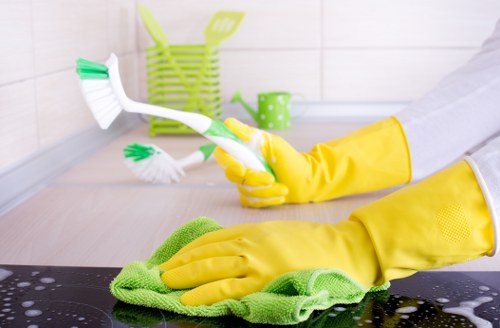
Not every area in a home requires the same level of attention, but some spaces benefit from deep cleaning in a more dramatic way than others. Kitchens are often at the top of the list because they handle food preparation, grease, spills, and frequent foot traffic. Ovens, stovetops, range hoods, cabinets, sinks, and backsplash areas can all collect residue that needs special attention.
Bathrooms are another major focus. Deep cleaning in bathrooms typically involves scrubbing tile, removing soap scum, disinfecting toilets, cleaning mirrors, polishing fixtures, and addressing mold-prone areas like shower corners and grout lines. Because moisture encourages buildup, bathrooms often need more detailed maintenance than other rooms.
Bedrooms, living rooms, and hallways also benefit from deep cleaning in less visible areas. Think under beds, behind sofas, inside closets, and along window frames. Upholstery, mattresses, curtains, and vents can hold onto dust and odors that affect comfort and freshness. A proper deep clean restores a room’s overall feel, making it more pleasant to use every day.
Common overlooked areas
Deep cleaning in a home often includes places people rarely check during weekly cleaning:
- Behind and underneath appliances
- Top shelves, fans, and light fixtures
- Baseboards and door frames
- Inside cabinets and drawers
- Air vents and return grilles
- Window sills and tracks
Deep Cleaning in Offices and Commercial Spaces
Deep cleaning in office environments is just as important as it is in homes. In fact, businesses often see even more foot traffic, which means more dust, fingerprints, spills, and shared-contact surfaces. Workstations, conference rooms, break areas, restrooms, and reception spaces all need targeted attention to stay clean and professional.
For companies, deep cleaning in the workplace can support employee well-being and productivity. A tidy, sanitized environment may help reduce the spread of germs and create a more comfortable setting for staff and visitors. It also reflects positively on the brand, because clients often notice cleanliness before they notice anything else.
In retail, hospitality, healthcare, and food service settings, deep cleaning is often tied directly to safety and compliance. Floors, shelving, door handles, fixtures, and shared surfaces must be cleaned thoroughly and regularly. A consistent deep cleaning in these settings helps maintain standards and reduces the risk of unpleasant odors, stains, or contamination.
Commercial areas that need special attention
- Reception desks and customer touchpoints
- Shared kitchens and staff rooms
- Restrooms and handwashing stations
- Carpets, tiles, and entry mats
- Windows, glass doors, and partitions
What a Proper Deep Cleaning in Usually Includes
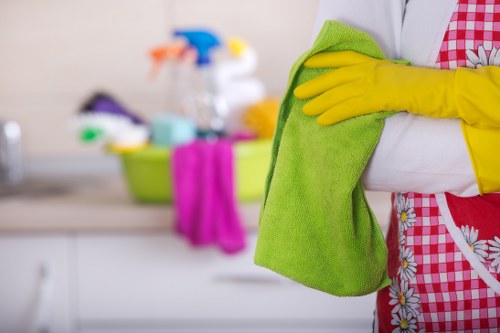
The exact checklist for deep cleaning in any location can vary, but most professional-level cleaning plans follow a similar pattern. They begin with dusting and decluttering, followed by detailed surface cleaning, sanitizing, and finishing touches. The goal is to tackle the space from top to bottom in a logical order so dirt does not settle on already cleaned areas.
In a home, deep cleaning in the kitchen may involve degreasing the oven, cleaning appliance exteriors, scrubbing cabinet fronts, sanitizing counters, and polishing sinks. In bathrooms, the focus often includes grout, drains, showers, tubs, fixtures, and high-touch areas. Living spaces may require upholstery care, floor detailing, and dust removal from difficult-to-reach spots.
For businesses, deep cleaning in an office may include sanitizing desks, chair arms, light switches, conference tables, restrooms, and communal equipment. Carpet cleaning, floor care, and glass cleaning are also common additions. The best deep cleaning plans are tailored to the property, surface types, and level of buildup present.
Typical deep cleaning tasks
Deep cleaning in any room may include the following:
- Dusting all reachable and high surfaces
- Vacuuming and mopping floors carefully
- Cleaning skirting boards and trim
- Disinfecting handles, switches, and shared surfaces
- Removing stains and buildup from fixtures
- Wiping inside and outside of cabinets
- Cleaning vents, fans, and filters where needed
How to Prepare for Deep Cleaning in a Busy Household
Preparation can make deep cleaning in a busy home much more efficient. Before starting, it helps to remove clutter, put away personal items, and clear surfaces as much as possible. The less time spent moving objects around, the more time can be devoted to actual cleaning.
It is also smart to gather all the supplies you need before beginning. That may include microfiber cloths, brushes, disinfectant, glass cleaner, scrub pads, vacuum tools, gloves, and mop heads. Having the right products ready makes deep cleaning in different rooms smoother and reduces the chance of stopping midway to search for supplies.
Another helpful step is to work room by room. Trying to deep clean an entire property at once can feel overwhelming. By focusing on one space at a time, you can stay organized, track progress, and ensure that no area is overlooked. This approach also helps maintain energy and attention to detail.
Preparation checklist
- Declutter counters, tables, and floors
- Move lightweight furniture if needed
- Gather all cleaning products and tools
- Open windows for airflow if appropriate
- Create a room-by-room plan
Deep Cleaning in the Kitchen: A Room That Needs Extra Care
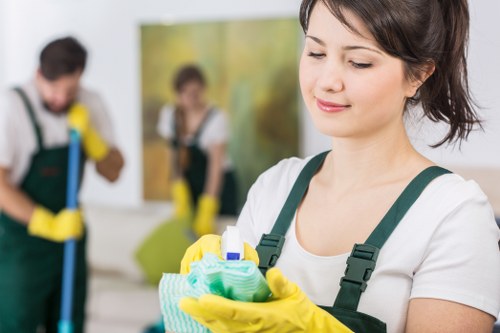
The kitchen is one of the most important areas for deep cleaning in any home or business because it combines food, moisture, grease, and frequent use. Even when the surface looks clean, hidden residue can remain on cabinet handles, appliance seams, splash zones, and hard-to-see corners. That is why kitchen deep cleaning is often more detailed than basic wiping and sweeping.
A strong kitchen routine usually starts with removing crumbs and loose debris from drawers, shelves, and counters. Then the focus shifts to appliance interiors and exteriors, especially ovens, microwaves, refrigerators, and dishwashers. Sinks and taps should be scrubbed and sanitized carefully, while backsplash areas and stovetops may require degreasing solutions to remove stuck-on residue.
Floor care is also essential. Deep cleaning in the kitchen often includes moving small appliances, cleaning under cabinets where possible, and mopping thoroughly around edges and corners. When done properly, the kitchen feels fresher, smells better, and becomes much easier to keep clean day to day.
High-priority kitchen zones
- Inside and outside of appliances
- Sink basins and faucet handles
- Cabinet doors and drawer fronts
- Range hoods and stovetops
- Floor edges and toe-kick areas
Bathroom Deep Cleaning in: Why Detail Matters So Much
Bathroom deep cleaning in a home or business is all about precision. Bathrooms are exposed to moisture, soap residue, skin oils, and frequent contact, which means buildup can happen quickly. Without regular attention, grout can discolor, mirrors can streak, and fixtures can lose their shine.
A detailed bathroom clean usually includes scrubbing the toilet inside and out, removing soap scum from showers and tubs, cleaning shower glass, polishing faucets, and disinfecting countertops and sinks. If mold or mildew is present, those areas should be treated carefully with appropriate products and thorough ventilation.
Because bathrooms are often small but heavily used, deep cleaning in this space can deliver a dramatic before-and-after effect. It not only improves appearance but also contributes to a more hygienic environment for everyone using the room. Clean bathrooms are a strong sign of a well-maintained property.
Bathroom deep clean focus points
- Shower walls, glass, and doors
- Toilet base, bowl, and surrounding floor
- Sink drains and countertop edges
- Tiles, grout, and corner joints
- Mirrors, faucets, and towel bars
Choosing the Right Products for Deep Cleaning in Different Spaces

The best products for deep cleaning in any area depend on the surface and the kind of dirt involved. For example, a degreaser is ideal for kitchen buildup, while a disinfectant may be more suitable for bathrooms and high-touch areas. Glass cleaner works well for mirrors and windows, while a specialized floor cleaner may be needed for wood, tile, or vinyl.
It is important to read labels and use products safely. Some materials require gentle cleaning agents to avoid damage. Natural stone, hardwood, and certain fabrics can be affected by harsh chemicals. A careful approach to deep cleaning in these spaces protects both the surface and the people using it.
Many cleaners prefer microfiber cloths because they trap dust effectively and reduce streaking. Brushes with firm bristles help lift grime from grout and textured surfaces, while vacuum attachments make it easier to reach corners, upholstery seams, and narrow gaps. Choosing the right tools is just as important as choosing the right products.
Product selection tips
- Match the cleaner to the surface type
- Test new products on a small area first
- Avoid mixing chemicals
- Use disinfectants where hygiene matters most
- Keep sensitive materials protected from harsh agents
How Often Should Deep Cleaning in Be Done?
The frequency of deep cleaning in a property depends on usage, size, and the level of activity in the space. A home with children, pets, or frequent visitors may need deep cleaning more often than a quiet household. Likewise, a business with many employees or customers may require a more regular schedule than a low-traffic office.
As a general rule, many people benefit from seasonal deep cleaning. This gives the property a reset several times a year and helps stop buildup from becoming overwhelming. Certain areas, such as kitchens and bathrooms, may need more frequent deep attention, especially if they are used heavily each day.
It is also wise to schedule deep cleaning in connection with major events or transitions. That may include moving in or out, hosting guests, post-renovation cleanup, preparing for inspections, or refreshing a space after a busy period. Regular timing keeps the task manageable and prevents dirt from spreading to every corner.
Common deep cleaning schedules
- Monthly: high-use homes and busy commercial spaces
- Seasonally: most residential properties
- Before or after events: gatherings, launches, or move-ins
- As needed: after remodeling, illness, or heavy use
Benefits of Hiring Professionals for Deep Cleaning in
Sometimes the smartest approach is to leave deep cleaning in the hands of trained professionals. While many people can handle regular upkeep themselves, a professional team often has the tools, experience, and products to tackle tough buildup more efficiently. This is especially useful for larger properties, heavily used spaces, or homes with hard-to-reach areas.
Professional deep cleaning in can also save time and reduce stress. Instead of spending an entire weekend scrubbing every room, you can focus on your routine while experts handle the detailed work. Many services use specialized equipment for carpets, upholstery, floors, and surfaces that require a more advanced approach than standard household tools.
Another benefit is consistency. A skilled cleaning team follows a structured method, ensuring that no important area is forgotten. From top corners to floor edges, a thorough deep cleaning in a property can restore order, freshness, and comfort in a way that feels immediately noticeable.
When professional support is especially useful
- After renovations or remodeling
- Before moving into a new space
- After a long period without cleaning
- For large homes or commercial properties
- When time, health, or mobility is limited
Maintaining Results After Deep Cleaning in a Property
Once deep cleaning in a space is complete, the next challenge is keeping it that way. The best way to maintain results is through simple daily and weekly habits. Wiping spills quickly, sweeping high-traffic areas, and putting items away after use can stop dirt from building up again.
It also helps to create a light routine for surfaces that collect dust or fingerprints. Entryways, countertops, bathrooms, and shared equipment should receive regular attention. That way, deep cleaning in the future becomes easier because the buildup never gets too severe. Small habits really do make a long-term difference.
Think of deep cleaning as a reset and routine cleaning as maintenance. When both work together, your property stays cleaner, healthier, and more inviting. Whether it is a home, office, or retail setting, the goal is to protect that fresh feeling for as long as possible.
Simple maintenance habits
- Wipe spills immediately
- Dust and vacuum regularly
- Disinfect high-touch surfaces often
- Keep clutter under control
- Reassess problem areas monthly
Final Thoughts on Deep Cleaning in Homes and Businesses
Deep cleaning in any space is more than a cosmetic upgrade. It is a practical way to support better hygiene, improve comfort, and preserve the condition of your property. From kitchens and bathrooms to offices and reception areas, a detailed clean brings attention to the places that are too often ignored.
Whether you choose to do it yourself or bring in professional support, consistency matters. The more regularly you invest in deep cleaning in your environment, the easier it becomes to keep everything under control. Cleaner surfaces, fresher air, and a more polished appearance are all strong reasons to make it a priority.
If your home or workspace is overdue for a reset, now is the right time to act. Book your service now or contact us today to take the next step toward a cleaner, healthier space. A thorough deep clean can make a lasting impact, and your property deserves that level of care.