Move In Cleaning in Your Area: A Fresh Start for a Cleaner Home
Moving into a new place should feel exciting, not overwhelming. Yet between packing, paperwork, and setting up utilities, one task often gets overlooked: move in cleaning. Whether the property is brand new, recently renovated, or previously occupied, a proper move in cleaning helps create a healthy, comfortable, and welcoming space from day one.
Many people assume the previous residents or the builder already handled the basics. In reality, dust, debris, hidden grime, and lingering odors can remain in kitchens, bathrooms, closets, and vents. A thorough move in cleaning removes those worries before you unpack a single box. It sets the tone for a cleaner, calmer home and gives you confidence that every surface has been refreshed.
In this article, we’ll explore what move in cleaning includes, why it matters, what areas deserve the most attention, and how to prepare for a smooth transition. If you are planning a relocation soon, understanding the value of move in cleaning can save you time, stress, and frustration.
Why Move In Cleaning Matters Before You Unpack
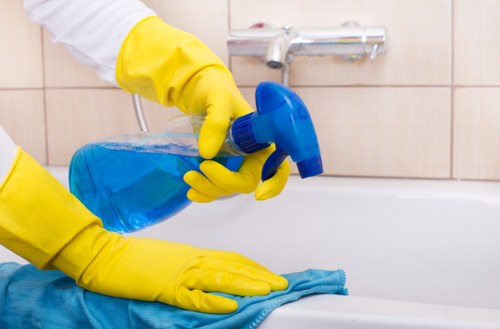
One of the biggest advantages of move in cleaning is that it allows you to start fresh. A new home may look tidy at first glance, but hidden dirt often remains in places you do not notice immediately. Cabinets may contain crumbs or dust, baseboards may have residue, and bathrooms may still hold traces of prior use. A detailed move in cleaning brings those overlooked areas to light.
This step is especially important for families with young children, people with allergies, and anyone sensitive to dust or strong odors. Deep cleaning before unpacking reduces exposure to allergens and germs while making your home more comfortable from the moment you arrive. It also helps protect furniture, clothing, and personal items from settling into a dirty environment.
Move in cleaning is also practical. Once boxes are stacked and furniture is assembled, cleaning becomes harder. Surfaces are blocked, corners are harder to reach, and clutter slows everything down. Cleaning first is more efficient and often produces much better results than trying to clean around your belongings later.
What Move In Cleaning Typically Includes
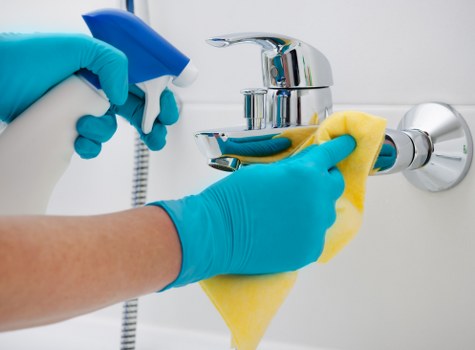
A professional or DIY move in cleaning usually focuses on high-touch and high-traffic areas. The goal is not just to make the property look neat but to ensure it feels sanitized, refreshed, and ready for use. The exact checklist may vary depending on the property’s condition, but most services cover the same core spaces.
Common tasks include wiping down cabinets, cleaning shelves, scrubbing sinks, disinfecting toilets, washing tubs and showers, dusting vents, vacuuming floors, mopping hard surfaces, cleaning light switches, and removing fingerprints from doors and handles. In many cases, move in cleaning also includes inside appliances, window sills, and corners where dust tends to accumulate.
Many homeowners also request extra attention for details such as closet interiors, pantry shelves, and built-in storage areas. These spots are easy to overlook, but they matter because they hold the items you will use every day. A complete move in cleaning should leave no dust bunnies, sticky residue, or lingering odors behind.
Areas That Need Extra Attention During Move In Cleaning
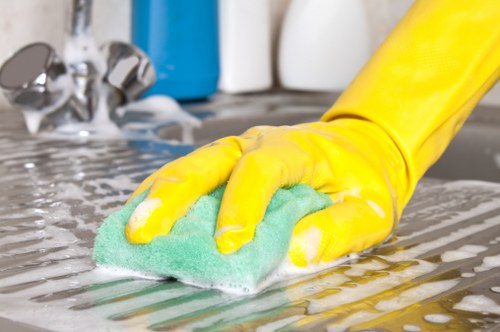
Not every part of a home requires the same level of effort. Some areas need deeper cleaning than others because they collect grease, soap scum, dust, or bacteria. Prioritizing these locations helps make your move in cleaning more effective and ensures the home feels truly ready.
Kitchen spaces deserve special care because they are used for food preparation. Cabinets, drawers, countertops, sinks, appliances, and backsplash areas should be cleaned thoroughly. Inside the refrigerator, oven, and microwave can often hold hidden mess from prior use. A proper move in cleaning removes any buildup so your cooking area feels safe and sanitary.
Bathrooms are another priority. Toilets, tubs, shower walls, faucets, mirrors, and tile grout should all be scrubbed and disinfected. Bathrooms often contain moisture, which can lead to mildew, soap residue, and odors. During move in cleaning, this is the perfect time to restore freshness and eliminate anything left behind by previous occupants.
Don’t Forget Often-Ignored Spaces
There are several hidden zones that many people miss when rushing through a move. These include the tops of cabinets, behind toilets, closet shelves, under sinks, air vents, and window tracks. Even if these spaces are not visible at first, dust and debris can still affect the overall cleanliness of the home.
Move in cleaning should also include doors, trim, baseboards, light fixtures, and switch plates. These details may seem minor, but they contribute significantly to how clean and polished a space feels. When they are spotless, the entire room looks more cared for and inviting.
Under-floor edges, vent covers, and corners are especially important in homes that have been empty for a while. Dust settles quickly in vacant properties, and construction residue can linger after renovations. Taking time to clean these often-forgotten areas creates a more thorough and satisfying result.
Key hidden spots to clean
- Behind and under appliances
- Inside cabinets and drawers
- Closet rods and shelving
- Baseboards and trim
- Vent covers and return air grilles
- Window frames and tracks
Benefits of Professional Move In Cleaning

Hiring experts for move in cleaning can be a smart decision, especially if your schedule is tight or the property needs more than a basic wipe-down. Professional cleaners bring the right tools, products, and experience to handle stubborn dirt efficiently. They know which surfaces need special treatment and how to clean safely without causing damage.
One major benefit is time savings. Moving day can be hectic, and cleaning every room thoroughly on your own may feel impossible. A professional team can handle the job faster while you focus on organizing your move, meeting movers, and setting up your new space. This reduces stress and helps everything run more smoothly.
Another advantage is better results. Professionals often use commercial-grade equipment and techniques that reach areas standard household cleaning can miss. That means a deeper, more reliable finish. For many people, that peace of mind is worth it, especially when starting fresh in a new home.
When Professional Cleaning Makes the Most Sense
Professional move in cleaning is particularly useful in several situations. If the home was previously occupied for a long time, if pets lived there, if there are signs of heavy dust, or if the property recently underwent remodeling, expert help can make a major difference. These conditions often require more than routine surface cleaning.
If you are moving into an apartment, rental, condo, or house with shared building spaces, a professional service can also help ensure your unit is clean and ready before your belongings arrive. This is especially valuable if move-in dates are tight and you need a quick, efficient turnaround.
Families with health concerns may also benefit from professional move in cleaning. A well-done cleaning can reduce allergens, dirt, and contaminants that might otherwise trigger discomfort. In that sense, it is not just about appearance; it is also about creating a healthier living environment.
Situations that often call for expert help
- Previously occupied homes with visible dirt or odors
- New construction that still has dust or debris
- Homes with pets or smoke residue
- Busy schedules with little time for scrubbing
- Move-ins requiring deep sanitation before unpacking
DIY Move In Cleaning: How to Tackle It Yourself
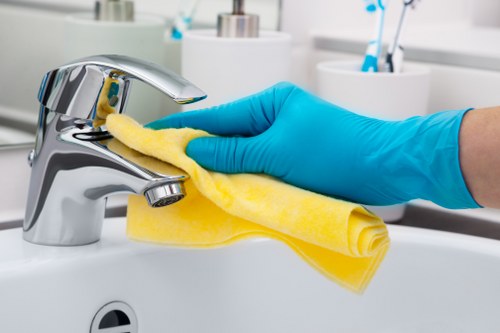
Some people prefer to handle move in cleaning on their own, and that can absolutely work if the space is manageable and you have the time. The best approach is to work room by room, starting with the areas that matter most. Cleaning before furniture arrives gives you access to corners, walls, and floors without obstacles in the way.
Begin by gathering the right supplies. You will likely need microfiber cloths, a mop, vacuum, disinfectant, glass cleaner, scrub brushes, gloves, and all-purpose cleaner. If the home has stubborn grime, you may also need degreaser, mildew remover, or a mild abrasive cleaner for sinks and tile. Choosing safe products is important, especially if children or pets will be in the home.
To save time, create a checklist before you begin. A simple room-by-room plan helps you stay focused and avoid backtracking. Start at the top of each room with dusting and wiping, then move downward to counters, shelves, and finally floors. This method keeps dust from falling onto already cleaned surfaces.
Simple DIY Move In Cleaning Checklist
Here is a practical checklist you can follow when handling move in cleaning yourself:
- Dust ceiling corners, fans, and light fixtures
- Wipe walls, doors, and baseboards
- Clean inside and outside cabinets
- Scrub sinks, tubs, showers, and toilets
- Sanitize countertops and backsplash areas
- Clean appliances inside and out
- Vacuum carpets and rugs
- Mop hard floors thoroughly
- Clean mirrors, windows, and tracks
- Disinfect handles, switches, and railings
If you want the best outcome, do not rush. A careful move in cleaning may take several hours or even a full day depending on the size of the property. The more detailed you are, the better your new home will feel when it is time to unpack.
Tip: Open windows if possible to improve airflow while cleaning. Fresh air helps clear out odors and makes the entire process more pleasant. It also speeds up drying for surfaces that have been disinfected or mopped.
Move In Cleaning for Different Property Types
Not all properties are the same, so move in cleaning should be adjusted to the condition and layout of the space. A brand-new home may need construction dust removed, while an older rental may require degreasing and disinfecting. Understanding the differences helps you plan a more effective cleaning routine.
New construction homes often look clean but may still contain sawdust, drywall dust, adhesive residue, and smudges on windows or fixtures. In these cases, move in cleaning should focus on dust removal, polishing surfaces, and checking areas where renovation debris may have settled.
Rental properties may have lingering dirt from prior tenants. Kitchens and bathrooms usually need the most attention, but you should also examine closets, vents, and storage areas. In apartments, building dust and hallway traffic can also affect the level of cleanliness inside the unit.
Common property-specific needs
- New build: construction dust, stickers, residue, and fine debris
- Rental home: disinfecting high-touch areas and kitchen/bath cleanup
- Vacant house: dust buildup, stale air, and hidden cobwebs
- Remodeled space: post-renovation particles and surface film
How Move In Cleaning Improves Organization and Comfort
There is a psychological benefit to starting with a clean space. When every room has been refreshed, it becomes much easier to organize belongings and settle into your new surroundings. Move in cleaning creates a blank canvas, which makes the unpacking process feel more intentional and less chaotic.
A clean home also helps you establish routines faster. When kitchens, bathrooms, and bedrooms are already in good condition, you can focus on arranging storage, decorating, and creating a functional layout instead of worrying about dirt or mess. That immediate sense of order can make a big difference during a stressful move.
Comfort matters too. Clean floors, fresh counters, and disinfected surfaces contribute to the feeling that the home truly belongs to you. It becomes easier to relax, breathe deeply, and enjoy the excitement of a new beginning when your environment is tidy from the start.
Common Mistakes to Avoid During Move In Cleaning
Even with the best intentions, people often make mistakes that reduce the effectiveness of their move in cleaning. One of the most common is cleaning after all the boxes have already arrived. This makes the process much harder and prevents you from reaching many areas that should be cleaned first.
Another mistake is focusing only on visible surfaces. While counters and floors matter, hidden areas often hold the most dust and grime. Skipping cabinets, vents, trim, or appliance interiors can leave the home feeling less fresh than expected. A thorough approach is always better.
Some people also use the wrong cleaning products for delicate materials. Harsh chemicals can damage stone countertops, stainless steel, wood finishes, or glass. Always read labels carefully and test products when needed. A thoughtful move in cleaning plan protects both cleanliness and your new home’s surfaces.
Avoid these pitfalls
- Cleaning too late, after unpacking begins
- Ignoring hidden dust and residue
- Using overly harsh cleaners
- Skipping ventilation and odor removal
- Forgetting closets, vents, and storage areas
Why Move In Cleaning Is Worth the Effort
When all is said and done, move in cleaning is more than a chore. It is an investment in comfort, health, and peace of mind. Starting with a properly cleaned home reduces stress, supports better organization, and helps you feel settled faster. Instead of worrying about what may be hiding under surfaces, you can focus on making the space your own.
The effort also pays off in the long term. Clean floors, dust-free corners, and sanitized kitchens and bathrooms are easier to maintain when you begin from a strong foundation. That makes day-to-day housekeeping simpler and keeps the home feeling fresh for longer.
If your move is approaching, do not leave this important step for later. Whether you choose to do it yourself or hire help, make move in cleaning part of your moving plan. Book your service now or prepare your checklist today so your new home welcomes you the way it should: clean, fresh, and ready for a new chapter.