Office Cleaning: Creating a Healthier, More Productive Workplace
Office cleaning is more than a routine chore; it is a smart investment in workplace health, brand image, and day-to-day productivity. A clean office supports employees, impresses visitors, and helps businesses maintain a professional environment that feels organized and welcoming. Whether you manage a small startup, a busy corporate floor, or a shared coworking space, effective office cleaning can make a measurable difference in how your space looks, feels, and performs.
Modern workplaces generate constant traffic, dust, fingerprints, spills, and germs. Without a structured office cleaning plan, these everyday issues can quickly add up and affect morale, indoor air quality, and even employee attendance. That is why office cleaning services and in-house cleaning routines have become essential for businesses that want to stay efficient, hygienic, and presentable.
From desk sanitization and restroom care to floor maintenance and trash removal, office cleaning covers many tasks that keep a workplace running smoothly. In this article, we explore the key benefits, best practices, and practical strategies behind high-quality office cleaning while naturally highlighting what makes a clean office a better place to work.
Why Office Cleaning Matters for Every Business
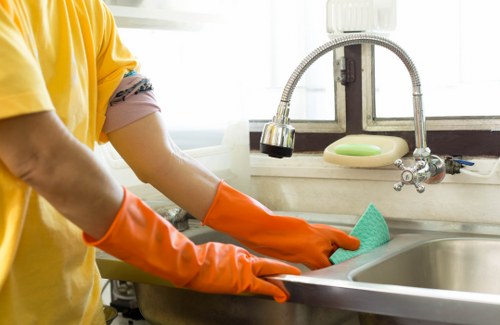
Office cleaning directly affects the experience of employees, clients, and partners. A tidy workspace creates a sense of order and professionalism, while a neglected one can suggest carelessness. People notice the condition of a workplace immediately, which is why office cleaning plays such an important role in shaping first impressions.
Beyond appearance, office cleaning also supports healthier work environments. Dust, allergens, bacteria, and accumulated dirt can circulate throughout the office, especially in shared areas like conference rooms, kitchens, and break rooms. Regular cleaning reduces these contaminants and helps create a more comfortable atmosphere for everyone.
For businesses that value productivity, office cleaning is equally important. Workers tend to focus better in organized spaces with clean desks, sanitized surfaces, and clutter-free common areas. Cleanliness is not just visual; it contributes to efficiency, safety, and workplace satisfaction.
Core Benefits of Professional Office Cleaning

Professional office cleaning offers advantages that go well beyond basic tidiness. Many businesses choose specialized cleaning support because it delivers consistent results and saves time for staff who should be focused on their primary responsibilities. When handled properly, office cleaning becomes a seamless part of operations rather than an added burden.
One major benefit is reduced illness transmission. Shared desks, door handles, elevator buttons, keyboards, and kitchen surfaces can all harbor germs. A reliable office cleaning routine helps sanitize these high-touch points and lowers the risk of spreading common illnesses throughout the workplace.
Another major advantage is improved morale. Employees often feel more respected and motivated when they work in a clean, well-maintained environment. The office feels cared for, which can positively influence engagement and company culture. Small details like spotless floors and fresh-smelling restrooms can have a surprisingly big impact.
Business advantages of cleaner workspaces
Office cleaning also protects assets. Carpets, furniture, fixtures, and electronics last longer when dust and dirt are removed regularly. This makes office cleaning a practical way to preserve the value of workplace materials while reducing long-term replacement and repair costs.
What Office Cleaning Usually Includes

A strong office cleaning program usually includes a mix of daily, weekly, and periodic tasks. The exact scope will depend on the size of the office, the number of employees, and the type of business. Still, there are common tasks that most workplace cleaning plans should cover.
- Dusting desks, shelves, ledges, and surfaces
- Vacuuming carpets and rugs
- Mopping hard floors
- Cleaning and sanitizing restrooms
- Emptying trash and recycling bins
- Wiping down high-touch points such as handles and switches
- Cleaning kitchen and break room areas
- Spot-cleaning glass and entry areas
- Disinfecting shared equipment and communal spaces
In many workplaces, office cleaning also includes deeper tasks such as carpet extraction, upholstery care, window washing, and machine detailing. These services support long-term cleanliness and are especially valuable in spaces with heavy foot traffic or specialized surfaces.
Consistency matters. Even a well-designed office cleaning routine will lose effectiveness if it is performed irregularly or without a clear checklist. For best results, businesses should align cleaning tasks with their daily operations and traffic patterns.
Daily cleaning priorities
Daily office cleaning should focus on the areas that affect hygiene and appearance the most. This usually includes restrooms, kitchens, trash removal, flooring, and high-touch surfaces. Keeping these areas fresh helps maintain a welcoming atmosphere throughout the workweek.
Choosing the Right Office Cleaning Approach

There is no single office cleaning setup that works for every business. Some organizations prefer in-house cleaning staff, while others rely on outsourced office cleaning services. Each option has strengths, and the right choice depends on budget, office size, schedule, and hygiene expectations.
In-house cleaning can work well for businesses that want direct control over routines and staffing. However, it may require more oversight, equipment management, and training. Outsourced office cleaning, on the other hand, often provides access to professional tools, trained cleaners, and flexible scheduling options.
When evaluating your options, consider the level of detail required. A reception area that welcomes daily visitors may need more frequent cleaning than a private office used by a small team. Likewise, an office with a shared kitchen and restroom facilities may need more intensive office cleaning than a space with fewer communal touchpoints.
Questions to ask before choosing
- How many people use the office each day?
- Which areas receive the most traffic?
- Are there health or safety concerns that require special attention?
- Does the office need cleaning outside business hours?
- What surfaces or materials require specialized care?
Answering these questions helps create a practical office cleaning plan that matches actual usage. It also ensures resources are used effectively rather than spread too thin.
For many businesses, the best approach is a hybrid one: daily cleaning for essential areas, plus scheduled deep cleaning for carpets, windows, and high-use spaces. This balance keeps the workplace consistently presentable without overspending.
Office Cleaning and Employee Well-Being
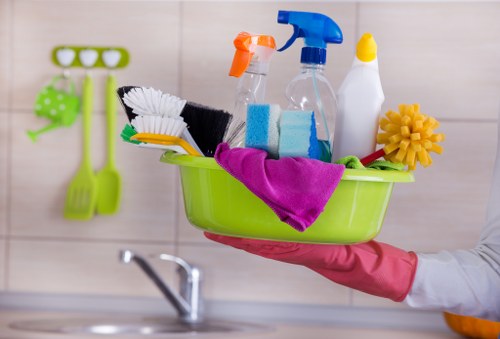
Office cleaning has a direct influence on employee well-being. Clean environments are generally more comfortable, less distracting, and easier to navigate. This matters because people spend many hours each week in the workplace, and the condition of that space can affect both physical and mental health.
Dust buildup can trigger allergies and respiratory discomfort, while dirty restrooms or kitchens can create stress and dissatisfaction. Reliable office cleaning helps reduce these problems and makes the workplace feel more thoughtful and organized. When people know their environment is being maintained properly, they are often more at ease.
There is also a psychological benefit. Clutter and dirt can contribute to a sense of chaos, while a clean office can feel calm and structured. This is especially helpful in busy workplaces where focus and communication matter. A well-cleaned office supports a more positive daily rhythm.
Well-being benefits worth noting
- Reduced exposure to allergens and germs
- Lower stress in shared spaces
- Better focus and fewer visual distractions
- Improved comfort for staff and guests
- Enhanced confidence in workplace hygiene
Office cleaning should therefore be seen as part of employee care, not just facility upkeep. A healthier workspace is often a more productive and more enjoyable one.
High-Touch Areas That Need Extra Attention
In office cleaning, high-touch areas deserve special focus because they are used repeatedly throughout the day by multiple people. These surfaces can quickly become hotspots for dirt and germs if they are not cleaned regularly.
Common high-touch areas include light switches, desk phones, keyboards, elevator buttons, door handles, shared printers, faucet handles, microwave buttons, and copier controls. Since these locations are touched constantly, they should be part of any serious office cleaning checklist.
Targeting high-touch points is one of the smartest ways to improve workplace hygiene. It helps reduce contamination and gives employees greater confidence in the cleanliness of their surroundings.
Best practices for high-touch cleaning
- Use appropriate disinfectants for each surface type
- Clean frequently during busy workdays
- Pay close attention to shared equipment
- Follow product instructions for contact time
- Use microfiber cloths to reduce residue and dust
These simple steps can significantly improve the effectiveness of office cleaning while supporting a more sanitary environment. In workplaces with heavy circulation, high-touch cleaning should be prioritized throughout the day rather than left for the end of the week.
Seasonal and Deep Office Cleaning Tasks
Routine office cleaning keeps a workplace presentable, but seasonal and deep cleaning tasks are what help maintain long-term quality. Over time, dirt settles in hidden areas, floors lose their shine, and fabrics begin to collect buildup. Deep office cleaning addresses these issues before they become more difficult or expensive to manage.
Seasonal cleaning may include carpet shampooing, vent dusting, interior window washing, upholstery refreshes, and detailed floor treatment. These tasks are especially useful during seasonal changes when pollen, moisture, or increased foot traffic can affect the condition of the office.
Deep office cleaning also supports workplace reset moments such as office moves, renovations, or new occupancy. It gives teams a fresh start and ensures the environment is ready for sustained daily use. This type of cleaning is especially valuable in areas that are easy to overlook during regular maintenance.
Examples of deep-cleaning tasks
- Scrubbing tile grout and baseboards
- Cleaning behind furniture and appliances
- Detailing windows and glass partitions
- Polishing metal fixtures and trim
- Sanitizing fabric surfaces and upholstery
By combining daily upkeep with occasional deep office cleaning, businesses can preserve a polished appearance all year long. This layered approach is often the most effective way to protect both aesthetics and hygiene.
How Office Cleaning Supports Brand Image
Every business has a brand image, and office cleaning is one of the simplest ways to reinforce it. A clean office signals professionalism, attention to detail, and respect for people’s time and comfort. When visitors walk into a neat lobby or conference room, they instantly associate that atmosphere with competence and reliability.
This matters especially for client-facing industries such as finance, law, consulting, sales, and healthcare. In these settings, office cleaning can influence how a company is perceived before a single conversation even begins. A polished workspace suggests that the business is organized and trustworthy.
Office cleaning also affects digital impressions. In the age of video calls and online meetings, visible clutter, dirty backgrounds, or unkempt shared areas can weaken how a company appears on screen. Keeping offices clean helps ensure that both in-person and virtual interactions reflect a high standard.
Branding through cleanliness
Businesses that invest in office cleaning often find that it becomes part of their broader identity. Clean spaces communicate discipline, care, and professionalism without needing to say a word.
Practical Tips for Better Office Cleaning Results
If you want office cleaning to deliver lasting results, the process should be organized, consistent, and tailored to real needs. A few practical habits can make a major difference in how well the workplace stays clean between service visits.
First, create a checklist for daily, weekly, and monthly tasks. This keeps expectations clear and prevents important areas from being forgotten. Office cleaning works best when responsibilities are defined rather than handled casually.
Second, encourage shared accountability. While cleaning professionals handle core maintenance, employees can help keep desks organized, reduce clutter, and clean up after themselves in common areas. This team effort makes office cleaning more effective and sustainable.
Helpful office cleaning habits
- Declutter desks at the end of each day
- Store food properly in kitchens and break rooms
- Report spills or maintenance issues quickly
- Keep cleaning supplies accessible where appropriate
- Set routines for conference rooms after meetings
Third, use the right products and tools. Not every cleaner works for every surface, and improper products can damage furniture, flooring, or screens. Choosing the correct solutions supports both cleanliness and longevity.
Finally, review office cleaning outcomes regularly. A clean office is a moving target, especially in busy environments. Periodic evaluation helps identify problem areas and refine the schedule as needed.
Why Clean Offices Improve Productivity
Productivity often improves in clean spaces because people can work with fewer distractions. A cluttered or dirty environment pulls attention away from important tasks, while a well-maintained office supports a clearer mindset. Office cleaning therefore has a direct and indirect impact on performance.
Clean surroundings also improve workflow. Employees can find materials more easily, move through shared spaces more comfortably, and spend less time dealing with distractions caused by dirt or disorganization. When the office feels orderly, the workday often feels smoother too.
Another factor is confidence. People usually perform better when they feel their surroundings are cared for. Regular office cleaning helps create that sense of stability, which can be especially valuable during busy periods or high-pressure projects. Order supports focus, and focus supports results.
For managers and business owners, this means office cleaning is not a background luxury. It is part of building a workplace where employees can do their best work consistently.
Making Office Cleaning a Long-Term Priority
Office cleaning works best when it is treated as an ongoing priority rather than a one-time reset. The most successful businesses build cleaning into their operating routines and adjust it as their office evolves. As teams grow, schedules change, and work patterns shift, office cleaning needs may also change.
Long-term planning may include rotating deep-cleaning tasks, revising restroom schedules, or increasing attention in high-traffic areas. It can also mean selecting cleaning partners who understand the pace and expectations of modern workplaces. The goal is to maintain consistent standards without creating unnecessary disruption.
Good office cleaning is visible in the details: polished entryways, tidy meeting rooms, fresh-smelling communal areas, and sanitized desks. These are the signs of a workplace that values health, professionalism, and comfort. When cleaning is done well, people notice even if they do not consciously think about it.
If your business is ready to improve its environment, now is the time to act. Contact us today to learn more about how a tailored office cleaning solution can support your team, or book your service now to keep your workplace looking its best.